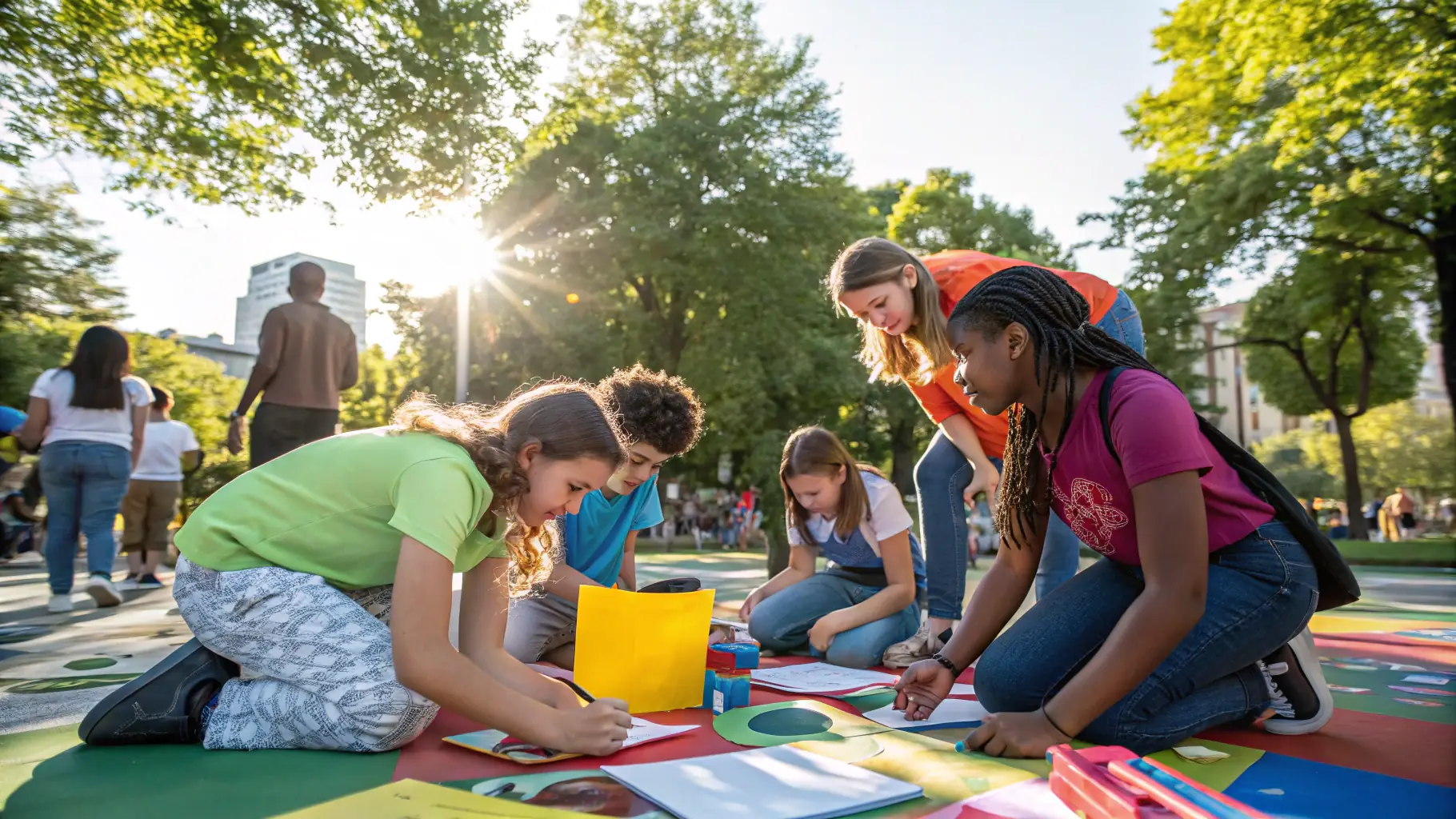
Experiential learning is a powerful tool for engaging students and fostering critical thinking. It goes beyond traditional classroom settings, immersing learners in real-world situations and challenges. This approach allows for a deeper understanding of concepts and promotes active participation. The key to effective experiential learning lies in the narrative. A well-crafted narrative can transform an activity into a meaningful experience. By weaving together a compelling story, educators can connect abstract concepts to tangible examples. This connection fosters a deeper understanding and retention of information. The narrative should be relevant to the learners’ lives and interests. Incorporating storytelling into experiential learning activities can significantly enhance the learning process. It creates a sense of purpose and encourages active participation. By connecting the activities to a larger narrative, learners are more likely to remember and apply the knowledge gained. This approach also fosters creativity and critical thinking skills.

Mentoring in Motion: Prime Minister’s Awards for Teaching Excellence Nomination (Part 3)
There are teachers who follow a plan, and there are teachers who follow the moment.